

This Simple Japanese Trick Changes Summer Vegetables Forever
Discover "Shio-momi" technique

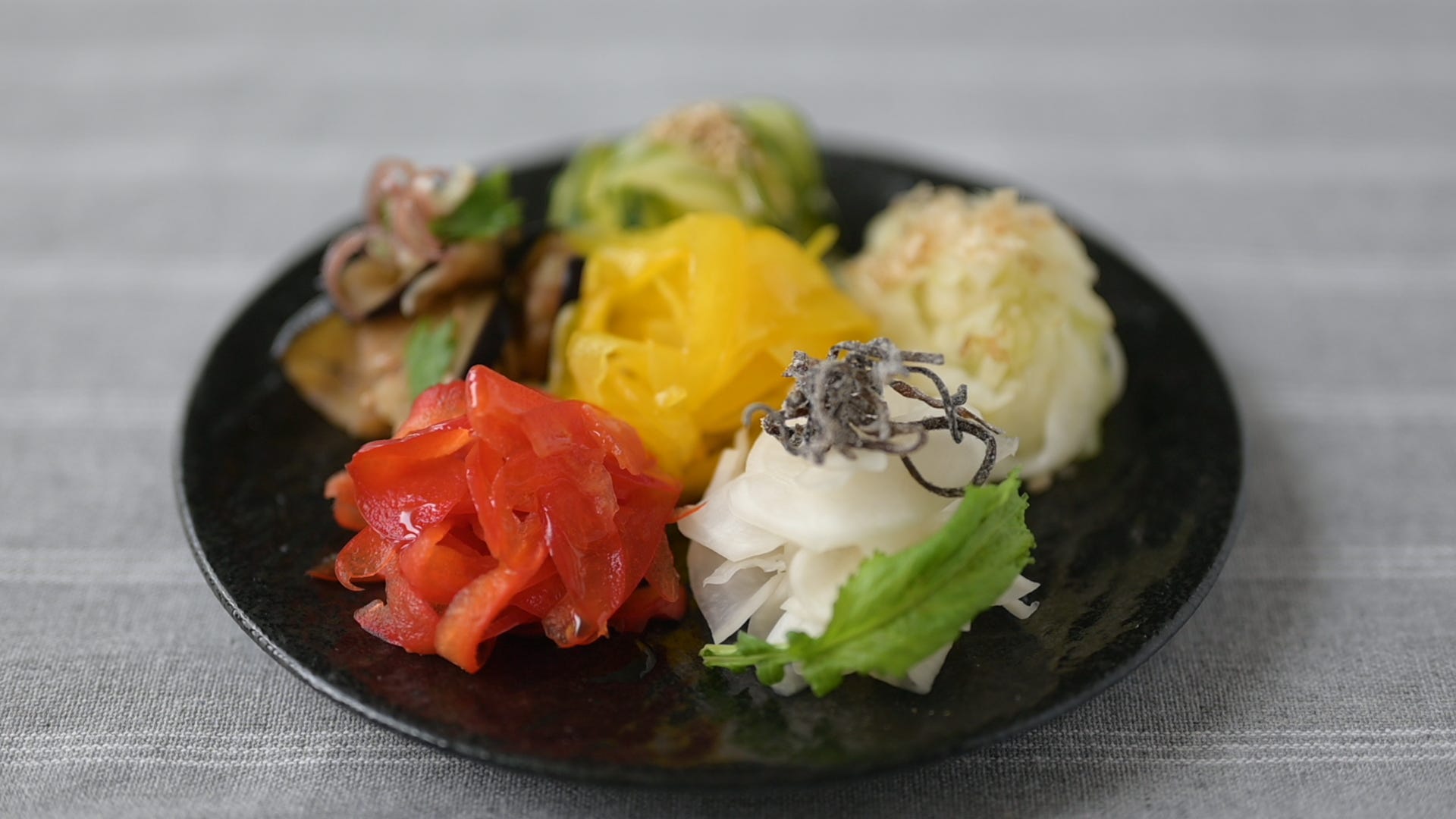
One of my favorite Japanese summer traditions doesn’t require turning on the stove.
Because it’s too hot to cook!

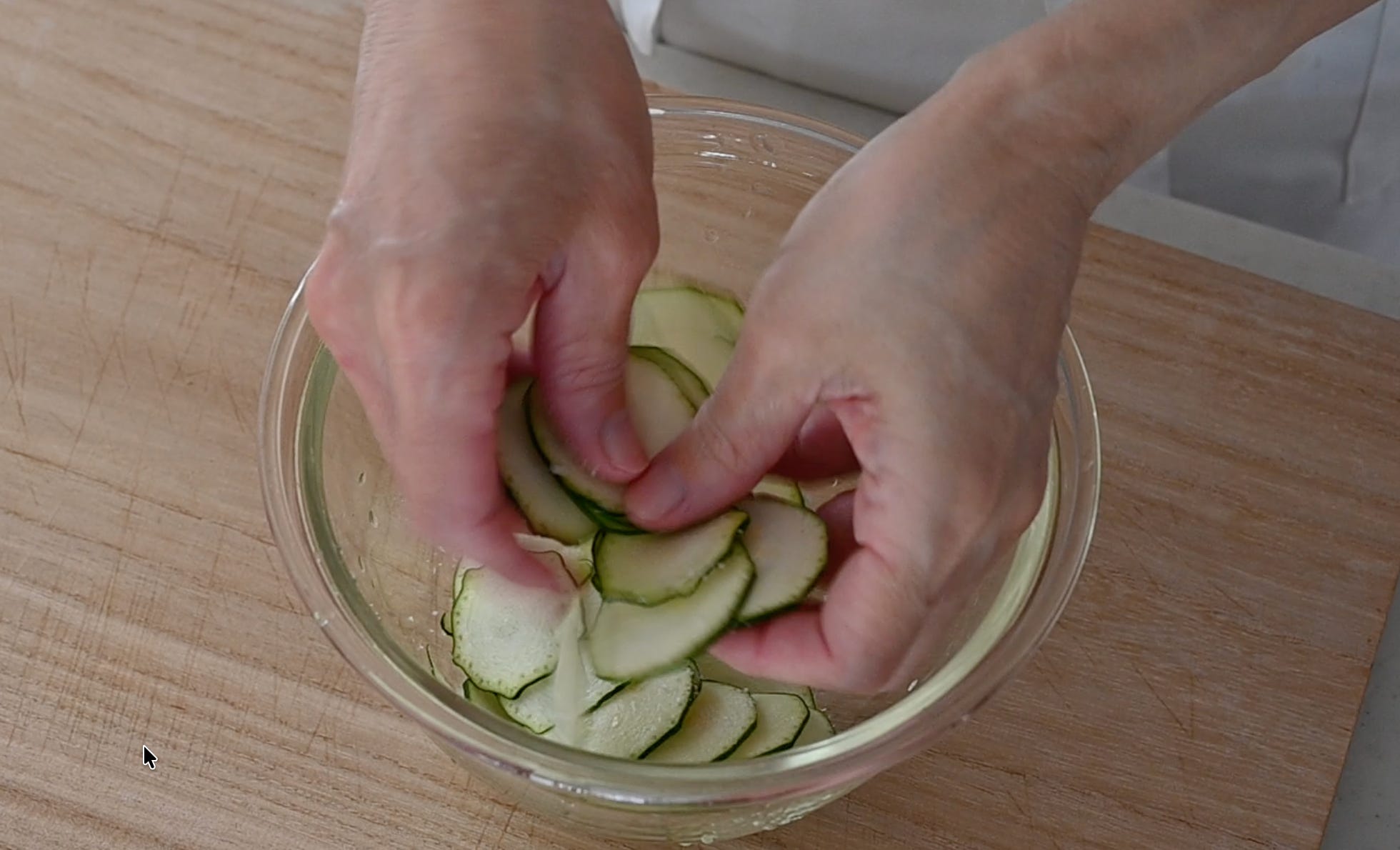
The technique is called Shio-Momi (塩もみ), which literally means “salt massage.” It sounds unusual at first, but it’s one of the simplest methods in Japanese home cooking. By gently massaging sliced vegetables with about 1% salt, they release excess moisture, become more flavorful, and develop a completely different texture.
It’s one of those everyday kitchen techniques that Japanese families have quietly passed down for generations.
After sharing my spring Shio-Momi recipe earlier this year, many readers asked if I make it in other seasons. The answer is yes. Summer may actually be my favorite time for it.
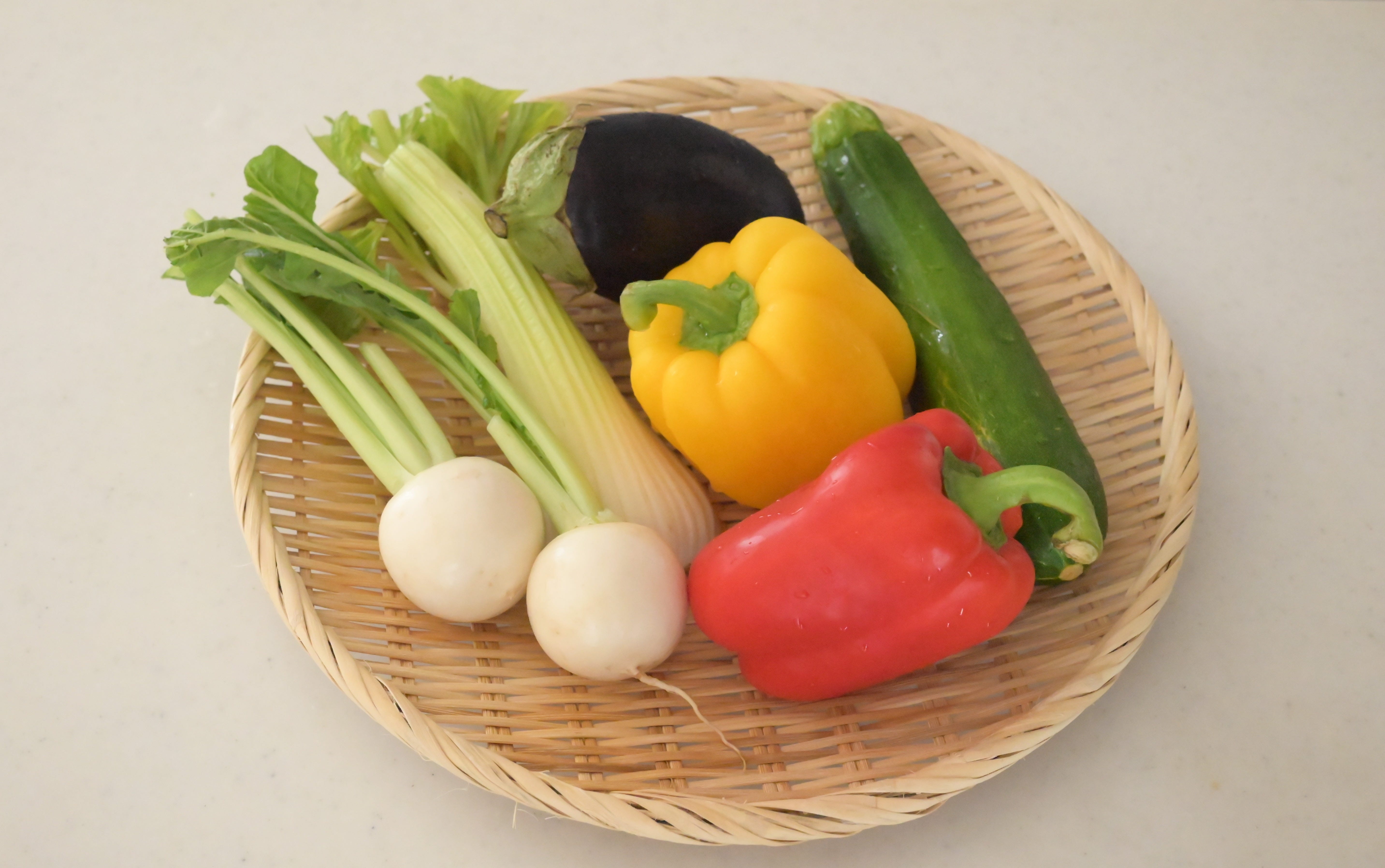
During my recent trip to a Japanese supermarket, I picked up some of my favorite summer vegetables: turnips, celery, bell peppers, zucchini, and eggplant. Each one responds a little differently to Shio-Momi, and that’s part of the fun.
My Favorite: Raw Zucchini
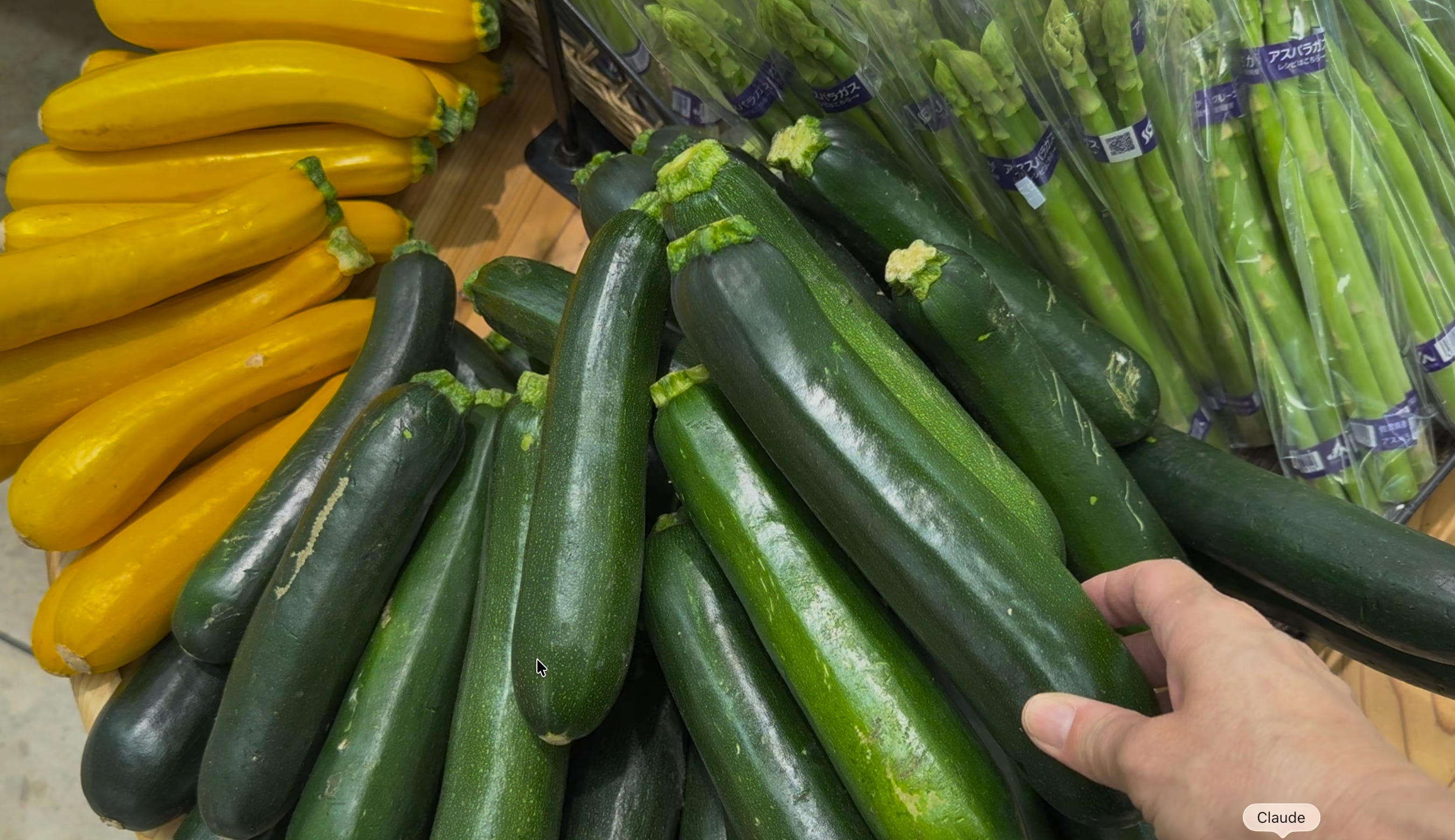
If you’ve never eaten zucchini raw, you’re not alone.
Most people only think of grilling, roasting, or sautéing it. But when it’s sliced paper-thin and prepared with Shio-Momi, zucchini becomes something entirely different.
It’s crisp at first, then smooth and silky as you chew. The mild flavor becomes slightly sweeter, and the texture is surprisingly refreshing.
On a hot summer day, I honestly prefer it this way.
Every Vegetable Changes
Bell peppers become sweeter while keeping a pleasant crunch.
Celery loses some of its sharp bite and develops a cleaner, fresher flavor.
Turnips stay crisp but become juicier and more delicate.
Eggplant needs a little extra care. After slicing, I soak it in lightly salted water for about 30 minutes before preparing it. This keeps the color bright and softens its natural bitterness. I also like adding a little shredded young ginger because the flavors complement each other beautifully.
The result is a colorful platter that’s refreshing enough to serve on its own, alongside grilled fish, or as part of a simple summer meal.
Does It Taste Salty?
This is probably the question I hear most often.
Although the vegetables are prepared with salt, much of it leaves together with the liquid released during the process. After squeezing the vegetables, the final dish tastes fresh rather than salty.
If you prefer an even lighter flavor, you can quickly rinse the vegetables after squeezing them.
My Favorite Way to Eat It
One of my favorite summer lunches couldn’t be simpler.
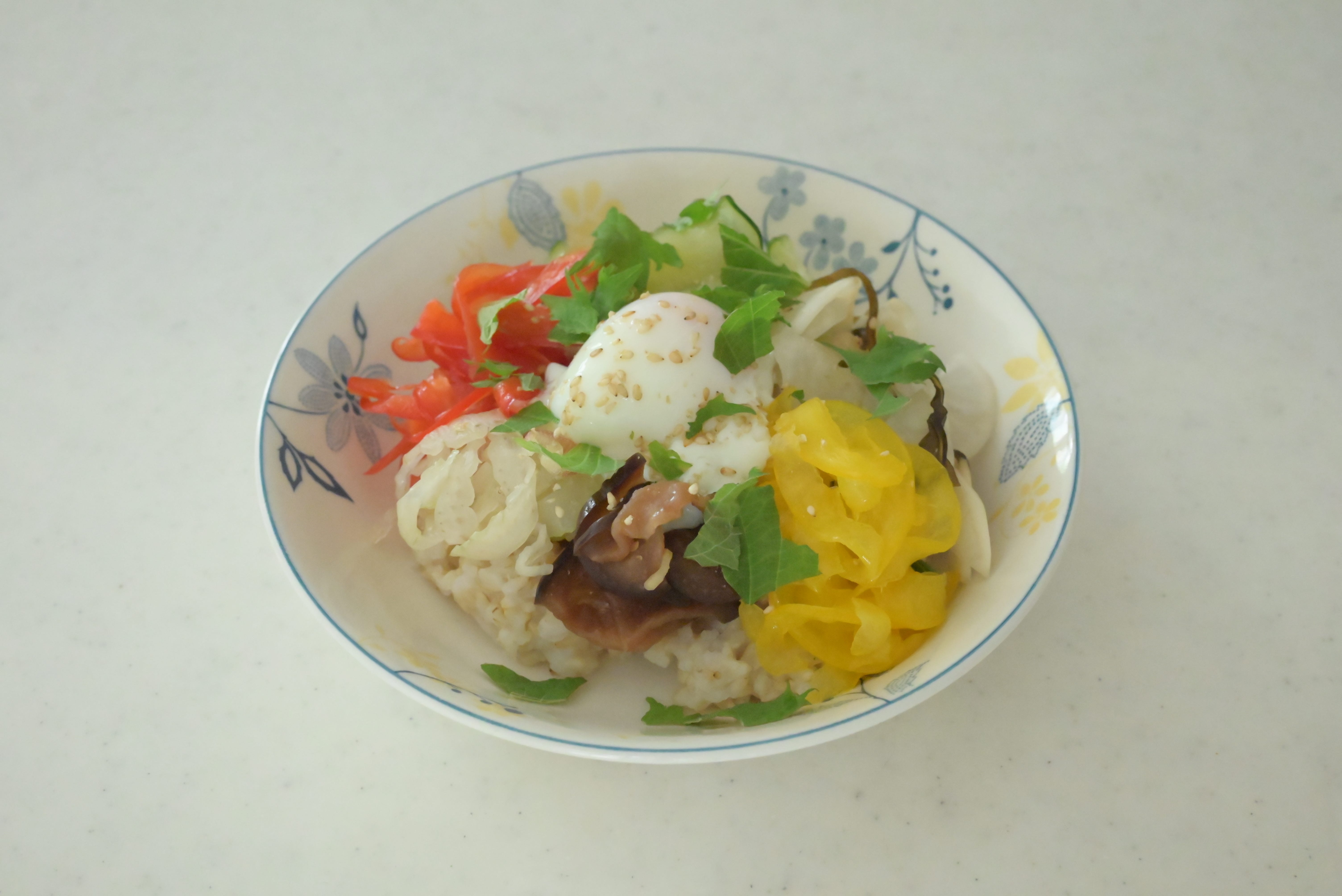
I fill a bowl with warm brown rice, pile the Shio-Momi vegetables on top, add a soft onsen egg, and mix everything together. You can do it with Somen noodles, too!
It’s colorful, refreshing, satisfying, and requires almost no cooking.
Sometimes the simplest meals are the ones I look forward to the most.
I hope you will give this recipe a try!
How interesting! I've salted veggies for recipes before, but not as the only preparation- sounds like a great technique to try on lots of things besides kale or cabbage. 😃