

Donabe for Beginners
Why This Traditional Japanese Clay Pot Changes the Way You Cook

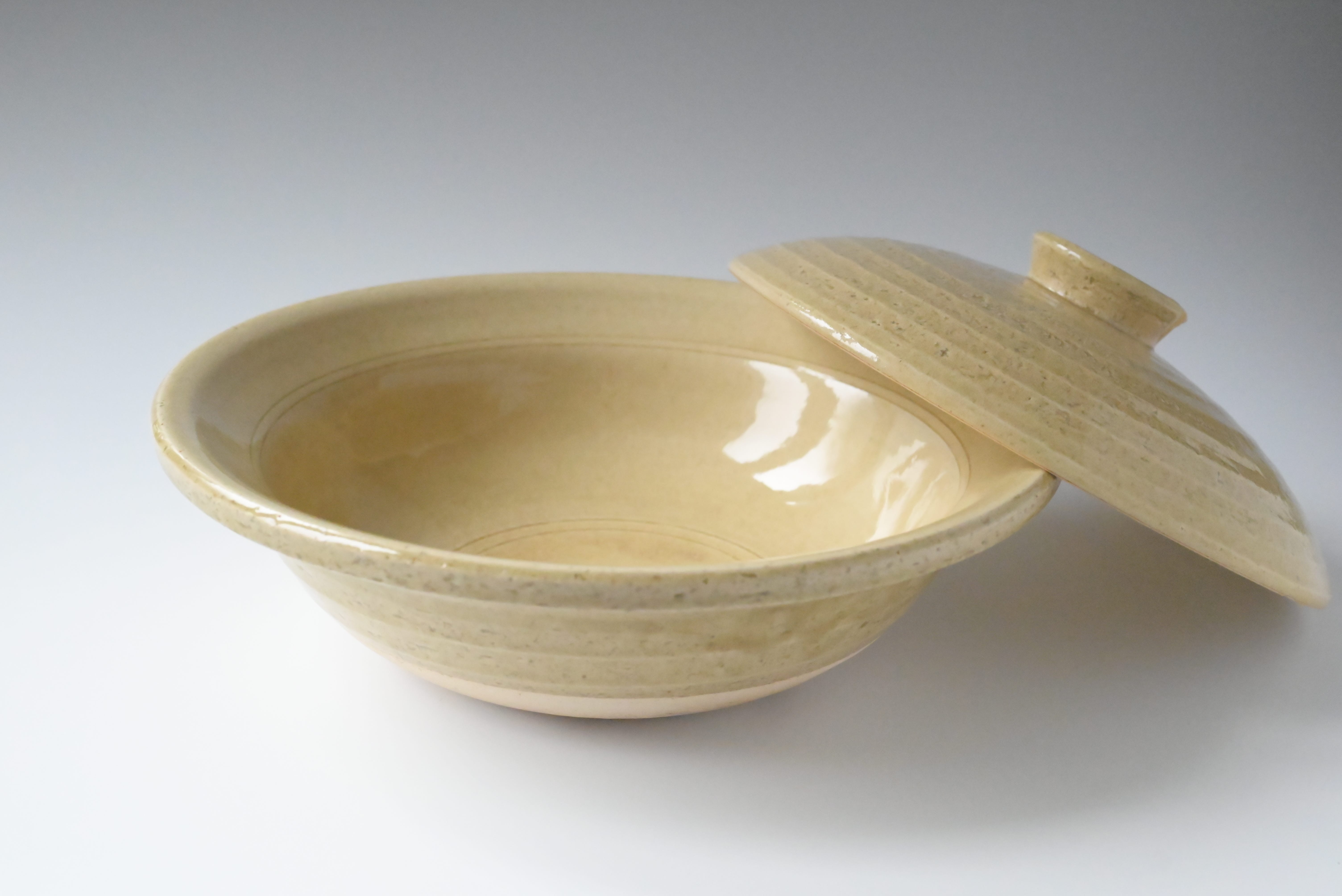
There is something magical about a donabe.
It’s a kind of pot we can’t live without.
I don’t know why vegetables and tofu taste so good in a donabe.
That is something you cannot achieve with a non-stick pan, even though I use one for convenience.
Not fancy, just a touch of coziness that a donabe has, transforming simple ingredients into meals you remember.
Growing up in Japan, donabe cooking was deeply connected to togetherness. The pot comes directly to the table, cooking on a tabletop burner, bubbling gently, steam rising into the room while everyone gathers around and helps themselves. Even tofu and vegetables somehow feel more comforting when cooked in a donabe.
Recently, I received this beautiful shallow donabe from Nakagawa Masashichi Shoten, one of Japan’s most respected lifestyle brands with over 300 years of history.

What immediately caught my attention was its elegant shallow shape and wide opening. Unlike deeper hot pot donabe, this design allows everyone at the table to easily see the food, reach in naturally, and share the experience together.
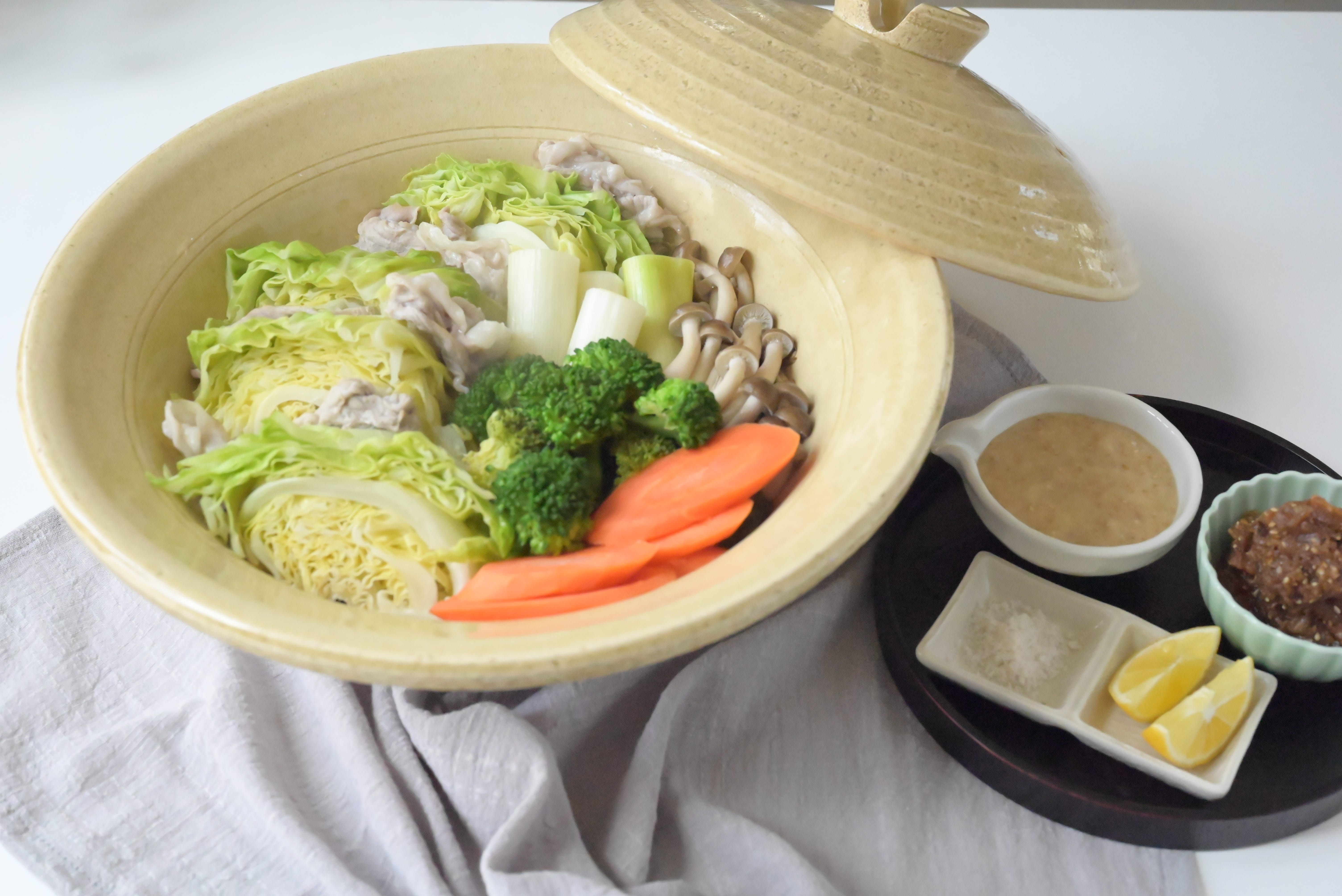
And thanks to the donabe’s incredible residual heat, the meal stays warm long after the heat is turned off.
That is one of the secrets of donabe cooking: gentle heat.
Slow cooking over gentle heat draws out the maximum sweetness from vegetables and tofu, allowing the ingredients to slowly release their flavor and aroma.
It’s so different from a steel pot.
Before using a donabe for the first time, we traditionally season it with rice porridge.
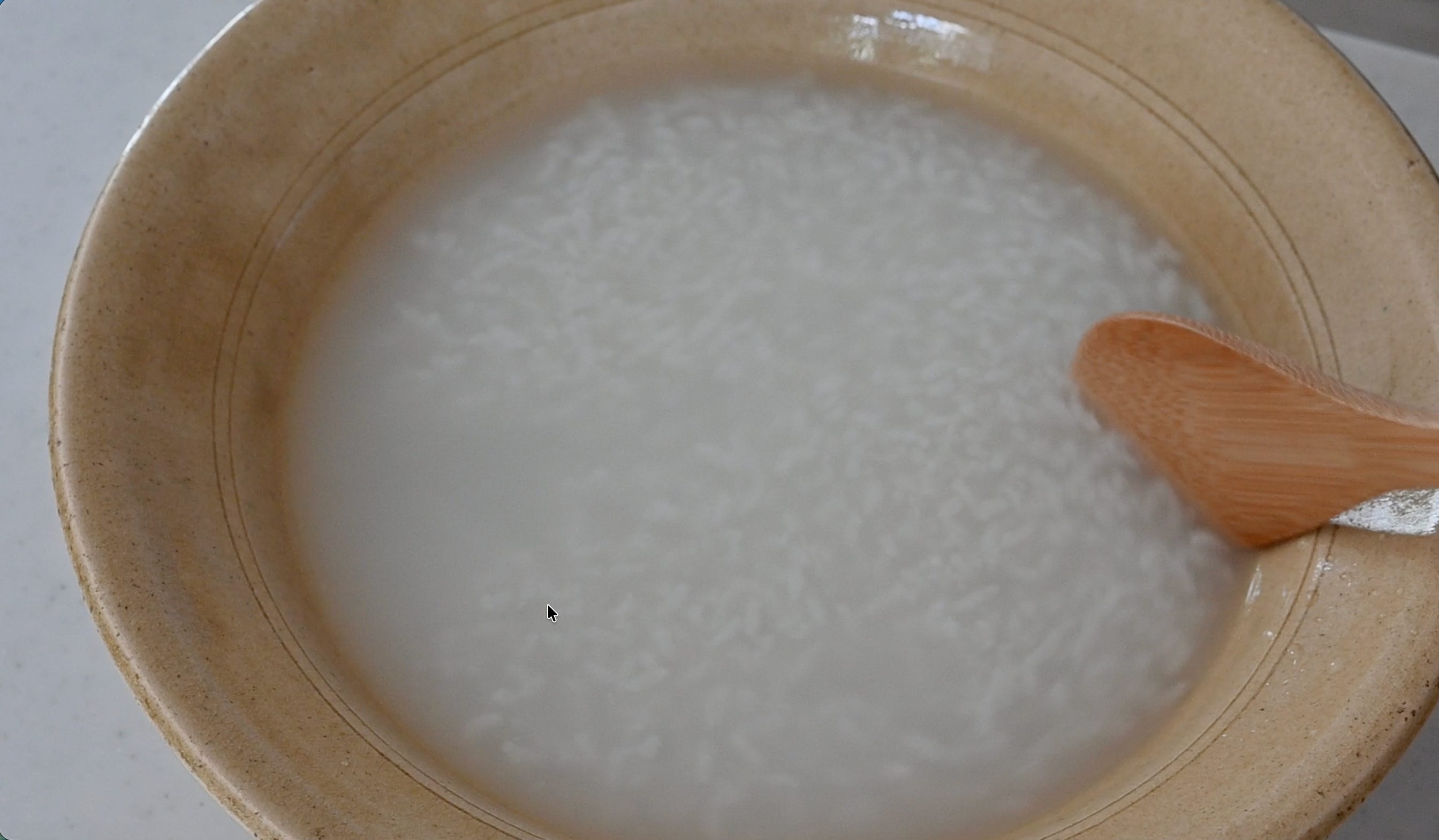
The starchy water fills the tiny pores in the clay and strengthens the pot over time. It is a simple ritual, but one that makes you feel connected to the tool itself, almost as if you are preparing it for years of future meals.
In my latest video, I share four easy ways to use a donabe:
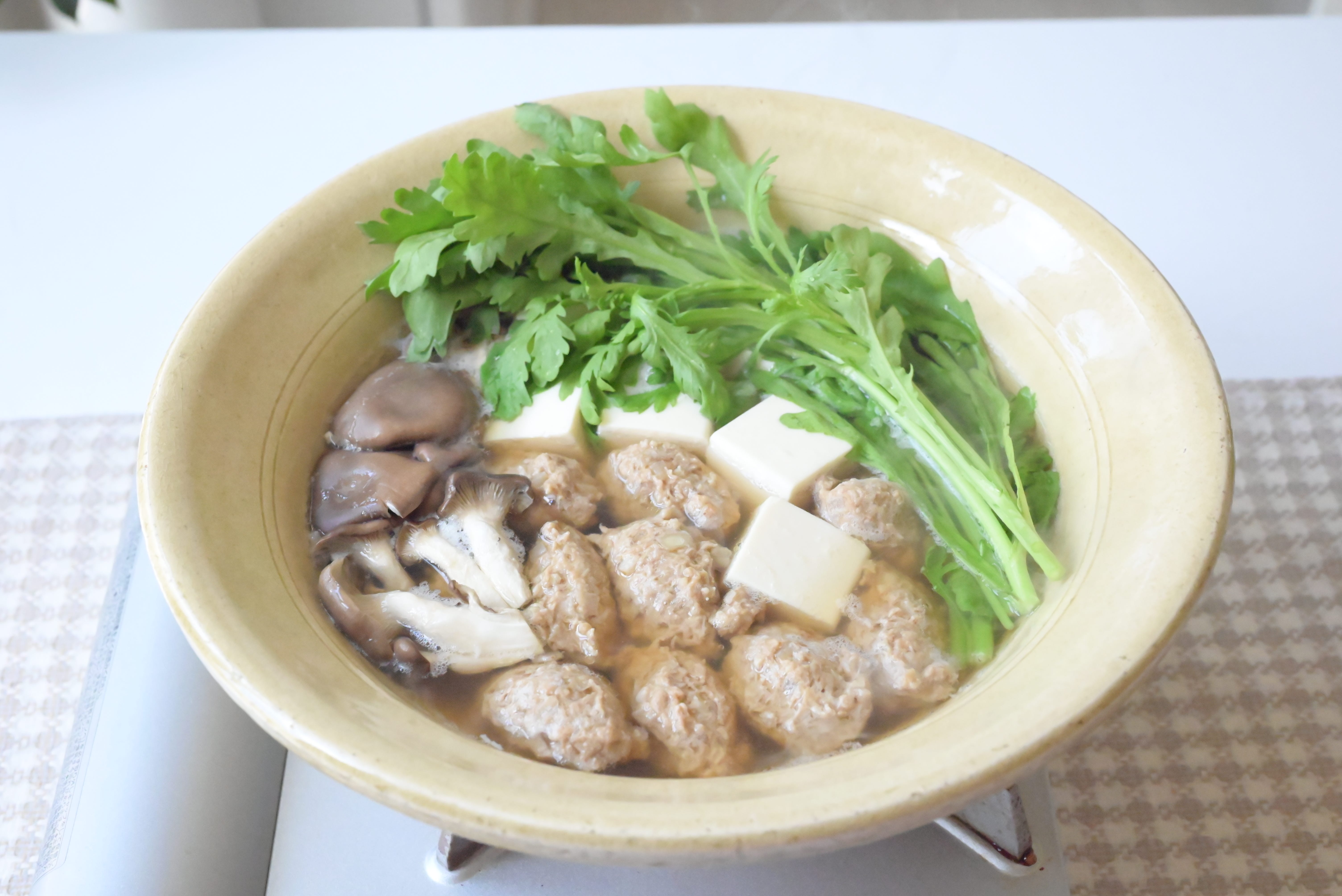
Yudofu, delicate tofu simmered in kombu broth
Homemade tsukune chicken meatballs
Steamed vegetables and pork with miso dipping sauce
Chicken and vegetable rice cooked with residual heat
Yudofu may be the simplest dish of all, yet it perfectly captures why donabe cooking is so beloved in Japan.
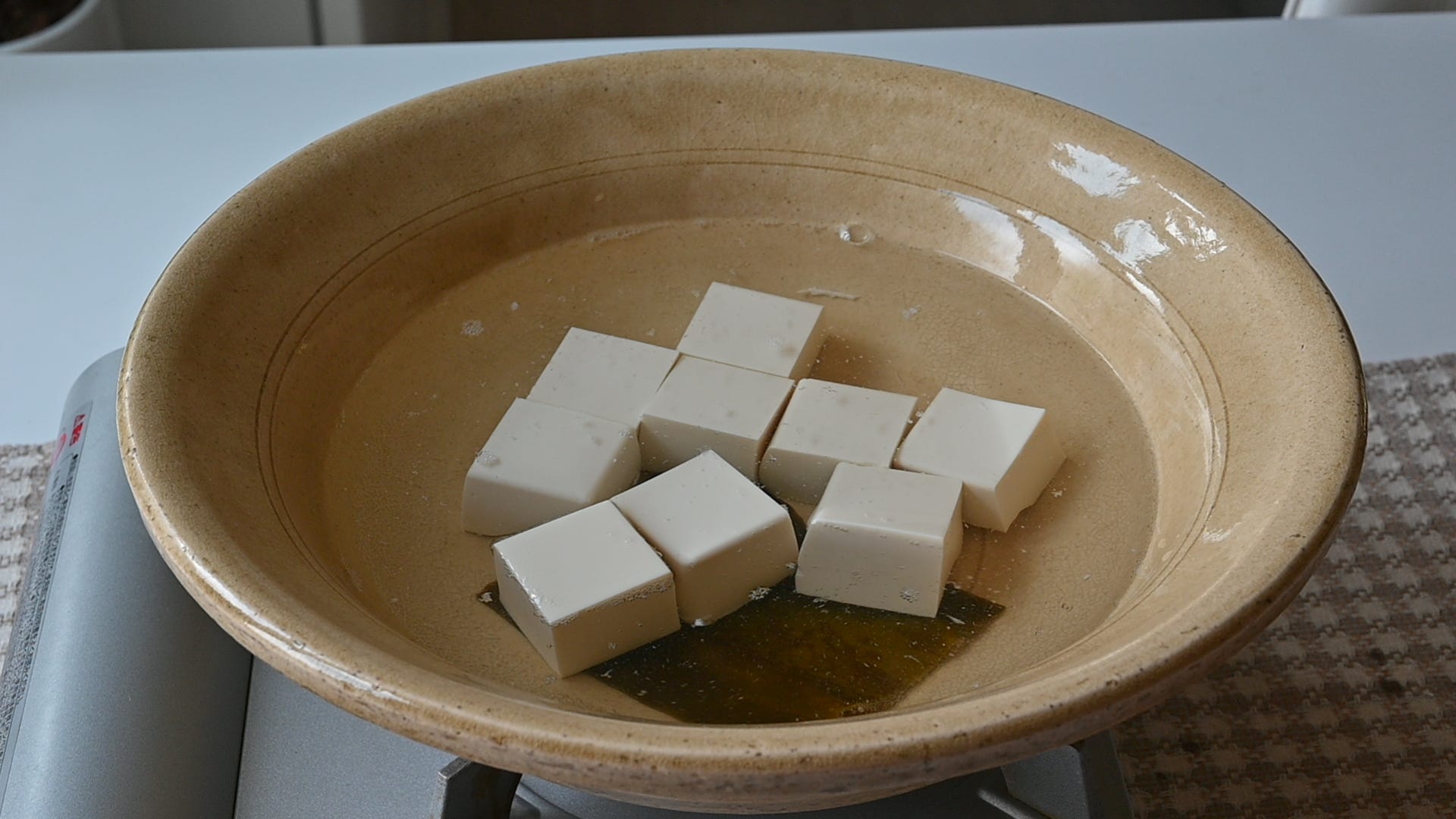
Just kombu, water, tofu, and a few toppings. The donabe gently keeps everything warm while the kombu slowly infuses the broth with its umami. It is humble food, but deeply satisfying. I make it for myself to reset my taste buds.
After enjoying the tofu, you can add any ingredients for your hungry family and friends. It could be hot pot meatballs, thinly sliced pork belly, or even udon noodles.
And then there is donabe rice.
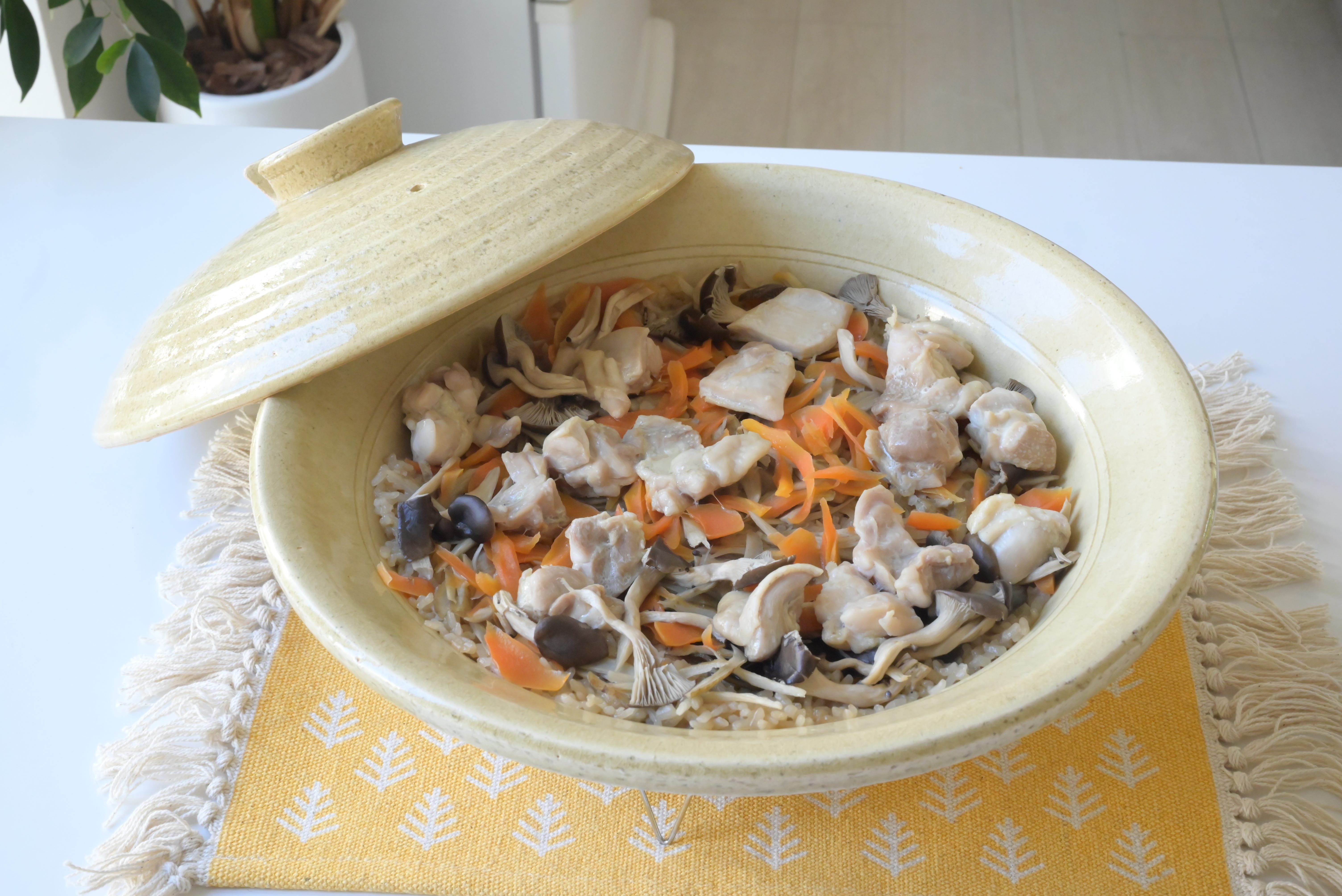
Many people say never to open the lid while cooking rice, but honestly, I scorched the bottom many times following that advice. Over the years, I developed my own method: stirring once before adding the toppings. Since then, my rice turns out beautifully every time.

That is another thing I love about Japanese home cooking.
It is not about perfection.
It is about finding a rhythm that works in your own kitchen!
A donabe teaches warmth, flexibility, and the joy of gathering around one pot and sharing a meal while it is still steaming.
One beautiful donabe can truly change the way you cook and eat.
And perhaps more importantly, it adds a cozy atmosphere around the table.
With love,
Akino